


 中文简体
中文简体Cari mengikut jawatan
Kalendar
Kategori produk
Berita Industri
 Oleh admin
Heavy Duty Pneumatic Drill Guide: Power, Safety, Selection and Maintenance
Di halaman fabrikasi keluli yang sibuk, elektrik tidak selalunya berada di tempat kerja. Anda memerlukan alat yang boleh menolak gerudi berpusing 1/2 inci melalui rasuk keluli tanpa terhenti, dan anda memerlukannya untuk bertahan daripada titisan, habuk dan anjakan panjang. Itulah sebabnya gerudi pneumatik tugas berat kekal sebagai ruji dalam persekitaran perindustrian. Ia berjalan pada udara termampat, memberikan tork berputar yang kuat, dan tidak bergantung pada motor elektrik yang boleh menjadi terlalu panas. Sama ada anda menggerudi lubang bolt dalam keluli berstruktur, menyelenggara peralatan berat atau memasang jentera, gerudi pneumatik memberikan anda kuasa yang konsisten, saiz padat dan operasi yang mudah. Tujuan panduan ini bukan untuk meyakinkan anda bahawa latihan udara adalah ajaib. Ia adalah untuk memberi anda pemahaman yang jelas dan praktikal tentang perkara yang boleh dilakukan oleh gerudi pneumatik tugas berat, perkara yang perlu dicari apabila anda membeli satu, dan cara memastikannya dalam keadaan baik. Saya akan membincangkan reka bentuk asas, faedah, spesifikasi utama, aplikasi sebenar dan tabiat penyelenggaraan yang penting. Pada akhirnya, anda sepatutnya dapat membandingkan model dengan yakin dan memilih alat yang sesuai dengan kerja anda. Gerudi pneumatik tugas berat ialah alat penggerudian berputar yang dikuasakan oleh udara termampat. Daripada motor elektrik, ia menggunakan motor ram pneumatik yang berputar apabila udara dipaksa melalui alat. Motor memacu chuck, yang memegang mata gerudi. Anda mengawal kelajuan dengan memerah picu, yang meningkatkan atau mengurangkan aliran udara. Alat ini berhenti apabila anda melepaskan pencetus, walaupun sesetengah model mempunyai kunci pendikit yang berasingan untuk operasi berterusan. Kerana motor berkuasa udara, reka bentuknya lebih ringkas daripada gerudi elektrik. Tiada belitan, berus atau kapasitor yang gagal. Motor ini lebih kecil dan lebih ringan daripada motor elektrik yang mempunyai kuasa setanding, itulah sebabnya gerudi udara boleh dibina dalam bentuk yang padat dan luar biasa. Versi tugas berat dibina dengan perumah bertetulang, gear yang dikeraskan dan galas yang boleh menahan penggunaan berterusan dalam persekitaran profesional. Prinsipnya langsung. Udara termampat masuk melalui salur masuk udara, melalui injap kendalian pencetus, dan mengalir ke dalam ruang motor. Di dalam ruang, udara menolak ram yang dipasang pada pemutar. Rotor berputar, dan putaran dipindahkan melalui set gear planet ke chuck. Udara ekzos keluar melalui port di perumahan, selalunya diarahkan jauh daripada pengguna untuk memastikan kawasan kerja lebih bersih. Model tugas berat biasanya mempunyai pengawal selia yang berasingan atau kawalan kelajuan bersepadu yang membolehkan anda menyesuaikan kelajuan dengan bahan. Sebagai contoh, menggerudi ke dalam kepingan logam nipis memerlukan kelajuan yang lebih cepat dengan tekanan yang lebih sedikit, manakala menggerudi ke dalam keluli yang keras memerlukan kelajuan yang lebih perlahan dengan lebih tork. Pengendali mahir boleh merasakan perbezaannya dan melaraskan tekanan pencetus dengan sewajarnya. Tidak setiap gerudi pneumatik layak diberi label. Latihan pneumatik tugas berat dibezakan oleh tiga faktor: Apabila membeli gerudi pneumatik tugas berat, lihat bahagian dalaman sama seperti bahagian luar. Gerudi murah mungkin berputar dengan cepat apabila kosong, tetapi ia kehilangan kelajuan sebaik sahaja bit menggigit keluli. Gerudi tugas berat yang berkualiti mengekalkan rpm yang diperlukan di bawah beban, kerana kereta api motor dan gearnya direka untuk kerja pemotongan sebenar. Jika anda telah bekerja di kilang perindustrian selama lebih daripada beberapa hari, anda mungkin telah melihat kedua-dua latihan elektrik dan pneumatik pada kerja yang sama. Masing-masing ada tempat. Tetapi ciri-ciri tertentu latihan pneumatik menjadikannya sesuai secara unik untuk kerja berat. Mod kegagalan yang paling biasa bagi gerudi elektrik ialah terlalu panas. Apabila anda menolak kuat pada gergaji lubang atau gerudi putar besar, motor akan menarik lebih banyak arus, menjadi panas, dan akhirnya menghalang pelindung haba atau membakar belitan. Motor pneumatik tidak berkelakuan sedemikian. Jika anda menghentikan motor dengan menolak terlalu kuat, udara terus mengalir dan motor berhenti begitu sahaja. Apabila anda mengurangkan tekanan, motor dihidupkan semula. Tiada penggulungan sensitif haba untuk dimusnahkan, yang bermaksud gerudi pneumatik boleh dibebankan berulang kali tanpa kerosakan kekal. Motor udara adalah padat. Gerudi pneumatik tugas berat 1/2 inci boleh mempunyai berat kurang daripada dua kilogram sambil menghasilkan lebih tork daripada banyak gerudi elektrik bertali. Ini menjadikannya lebih mudah untuk dikawal dalam kedudukan yang janggal dan mengurangkan keletihan pengendali semasa penggerudian berulang yang lama. Udara termampat sememangnya bebas percikan. Gerudi pneumatik tidak menghasilkan percikan elektrik, jadi ia dibenarkan dalam persekitaran di mana terdapat wap, pelarut, habuk atau atmosfera mudah terbakar. Banyak kedai cat, loji kimia dan kemudahan bijirin menyatakan alat pneumatik atas sebab ini. Udara ekzos juga boleh membantu meniup serpihan dari mata gerudi, meningkatkan keterlihatan dan memastikan lubang itu bersih. Dengan gerudi elektrik, kawalan kelajuan adalah elektronik dan boleh terasa mendadak atau lambat. Dengan gerudi pneumatik, kelajuan dikawal oleh aliran udara pencetus. Anda mempunyai perasaan mekanikal serta-merta untuk hubungan antara kedudukan pencetus dan tork. Ini menjadikannya lebih mudah untuk memulakan lubang tanpa berjalan, untuk menenggelamkan balas tanpa berbual, dan menyambung dengan paip menggunakan alat yang sama. Komponen dalaman motor pneumatik adalah lebih mudah daripada motor elektrik. Selagi bekalan udara bersih dan dilincirkan, gerudi pneumatik boleh berjalan selama beribu-ribu jam. Menggantikan ram, pengedap dan galas adalah kerja yang mudah. Banyak kemudahan perindustrian menyimpan set kecil bahagian pembaikan alat pneumatik dan membaiki gerudi dalam masa kurang dari satu jam. Untuk melihat lebih mendalam tentang fizik di sebalik ketahanan ini, anda mungkin mendapati ia berguna untuk membaca artikel kami mengapa latihan pneumatik sangat cekap . Sebelum membandingkan latihan pneumatik tugas berat, anda perlu memahami spesifikasi yang menentukan bagaimana gerudi berkelakuan dalam kerja sebenar. Model yang sama boleh berasa berbeza sepenuhnya bergantung pada saiz chuck, kelajuan, tork dan ciri arah. Berikut adalah nombor utama untuk diperiksa. Saiz chuck menentukan diameter batang maksimum mata gerudi. Dua saiz yang paling biasa ialah 3/8 inci dan 1/2 inci. Chuck 3/8 inci sesuai untuk kebanyakan kerja penggerudian umum dan memastikan alat ringan dan padat. Chuck 1/2 inci menerima bit yang lebih besar dan dianggap sebagai standard untuk kerja tugas berat. Jika anda bercadang untuk menggunakan gergaji lubang atau bit twist yang lebih besar daripada 1/2 inci, anda memerlukan gerudi dengan chuck 1/2 inci atau penyesuai tirus Morse pada mesin yang lebih perlahan. Kelajuan bebas ialah kelajuan putaran tanpa beban. Ia memberitahu anda berapa cepat gerudi akan berputar di udara, tetapi ia bukan kelajuan di mana motor berfungsi paling sukar. Kelajuan kerja ialah kelajuan di bawah beban penggerudian biasa. Kelajuan bebas yang tinggi dengan tork yang rendah boleh mengelirukan. Cari gerudi yang dipasarkan untuk penggerudian dan bukannya pemutar skru; mereka biasanya mempunyai julat kelajuan yang lebih sesuai. Tork is the rotational force the drill can apply. Pneumatic drills do not always publish a torque rating in the same way as impact wrenches, but you can get a sense from the chuck size, gear ratio, and motor size. A heavy duty drill with a 1/2-inch chuck generally has more torque than a 3/8-inch drill. If the manufacturer provides a maximum torque value in newtons per meter or foot-pounds, compare drills at the same level of air pressure. Setiap gerudi pneumatik memerlukan tekanan udara minimum pada salur masuk alat. Kebanyakan latihan industri berfungsi pada 90 psi (6.2 bar). Penggunaan udara biasanya dinyatakan dalam kaki padu per minit (CFM) atau liter sesaat. Latihan tugas berat boleh menggunakan antara 4 dan 8 CFM di bawah beban. Pemampat udara dan saiz hos anda mesti dapat menyampaikan aliran ini apabila alat itu benar-benar memotong. Kesilapan biasa ialah menggunakan hos kecil 1/4 inci yang menyekat aliran udara, menyebabkan gerudi kehilangan kuasa dan memanaskan motor udara. Injap undur membolehkan motor berputar ke arah yang bertentangan. Ini penting untuk menyandarkan mata gerudi yang patah, menanggalkan skru yang tersepit dengan lampiran yang sesuai, atau menjalankan paip ke belakang. Sesetengah latih tubi adalah satu arah sahaja, yang sesuai untuk penggerudian mudah, tetapi gerudi pneumatik tugas berat boleh balik adalah lebih serba boleh dan biasanya berbaloi dengan kos tambahan. Untuk melihat cara spesifikasi ini diterjemahkan ke dalam konfigurasi mesin sebenar, lihat jadual ringkasan di bawah. Nilai gerudi pneumatik tugas berat menjadi jelas apabila anda berjalan melalui kedai kerja. Ia bukan alat yang anda gunakan seminggu sekali di dalam bilik kerja kayu yang bersih. Ia adalah alat yang kekal di dalam kotak alat di setiap tingkat loji. Dalam fabrikasi keluli struktur, lubang penggerudian untuk bolt, rivet, dan pin adalah kerja yang berterusan. Gerudi pneumatik tugas berat yang dipasang dengan bit kobalt atau hujung karbida boleh mengendalikan keluli lembut, keluli tahan karat dan plat aluminium. Tork tinggi model 1/2 inci membolehkan anda menggerudi melalui plat 10 mm atau lebih tebal tanpa tekanan yang berlebihan. Di kedai dengan udara sudah tersedia, gerudi pneumatik selalunya menjadi pilihan pertama kerana ia lebih ringan daripada gerudi magnetik dan lebih mudah untuk bergerak antara kepingan. Kapal, jengkaut dan jentera perlombongan penuh dengan struktur keluli yang sukar diakses. Gerudi pneumatik sudut kanan tidak ternilai dalam tetapan ini. Apabila anda perlu menggerudi antara sekat atau dekat dengan talian hidraulik, gerudi elektrik yang besar tidak boleh muat. Lampiran sudut kanan dengan kepala padat membolehkan anda membuat lubang yang tepat tanpa membongkar komponen sekeliling. Sebagai contoh, pengendali yang bekerja di dalam rel bingkai mungkin menggunakan alat seperti gerudi udara sudut kanan tork tinggi RH3302 untuk mencapai lubang bolt yang hanya satu lengan dari mana-mana titik akses lain. Dalam bengkel automotif, gerudi udara digunakan untuk menggerudi bolt yang patah, membesarkan lubang dan menyediakan panel. Ciri membalikkan amat penting di sini. Jika operasi penggerudian mula mengoyakkan kepingan logam nipis, pengendali boleh berundur dan berundur dengan cepat sebelum menyebabkan kerosakan. Model dengan hadapan dan belakang, seperti gerudi udara hadapan-balik RH332 3/8-inci, ialah komponen yang wajar bagi setiap set alat mekanik. Ia bukan alat kekerasan yang berat; sebaliknya ia memberikan pengendali kawalan yang diperlukan untuk kerja-kerja halus pada badan kenderaan. Construction and mining sites are dusty and often far from a reliable electrical supply. Pneumatic tools run directly from a diesel-driven air compressor, which is frequently already on site for jackhammers and tampers. In this environment, the durability of a pneumatic drill is a clear advantage. There are no cables to trip over, no batteries to recharge, and no exposed electrical parts that can short-circuit in wet conditions. A simple straight or pistol-grip drill can take a lot of abuse and still start immediately. Maintenance shops use heavy duty pneumatic drills for routine bolt removal, reaming, and thread repair. When combined with a tap holder, a reversible pneumatic drill can be used to cut threads in aluminum or cast iron. The ability to run at low speed and high torque by adjusting the trigger helps prevent tap breakage. The same tool can be fitted with a wire brush for cleaning bolt holes, making it a multi-purpose asset. Now that you understand the applications, the question is how to choose. The right drill depends on the material you cut, the space you work in, the air supply you have, and the number of hours the tool will run each day. Let me walk through the decision process in order. Ask yourself what size hole you drill most often. If the answer is usually 12 mm or less, a 3/8-inch chuck drill with a speed around 1800 rpm will cover most work. If you regularly drill 16 mm or larger holes, choose a 1/2-inch chuck model. Speed matters because too much speed burns small drill bits, and too little speed makes larger bits inefficient. A heavy duty pneumatic drill with a speed range of 500 to 2000 rpm is a good general compromise. The shape of the drill affects how you can use it. A pistol grip drill works well for most horizontal drilling. A straight drill gives you better alignment when drilling into a lathe center or a tight corner. A right-angle drill solves the problem of working in corners and between structural members. If your work area is cramped, include a right-angle model in your lineup. The RH338 3/8-inch right-angle forward-reverse air drill is one option that can fit where a straight drill cannot. If you ever have to drill into a blind hole or remove a broken bolt, you will regret buying a non-reversing drill. A reversible drill also lets you use a tap to clean threads, which makes it more valuable. The throttle should be progressive, allowing a smooth increase from slow to fast. A toggle throttle or lever throttle is more comfortable than a button throttle for long periods of work. Before buying any pneumatic drill, check the specification for air consumption. Your compressor must deliver enough flow at the required pressure. For a heavy duty 1/2-inch drill, a 5 hp compressor with a 10 cfm rating is a reasonable minimum if you use the drill continuously. The air line from the compressor to the tool should be at least 3/8 inch inside diameter. Use quick couplers rated for at least 90 psi, and keep the hose as short as possible to reduce pressure loss. Even the best drill is less useful if you cannot adapt it to different jobs. Check whether the chuck is keyed or keyless. Keyed chucks are more common on heavy duty tools because they hold the bit more securely under vibration. You may also need side handles for extra torque, depth stops for consistent hole depth, and adapters for hex shank bits. Many pneumatic drill kits include these accessories, so compare the included items when you evaluate price. When you are uncertain about which model fits your process, it helps to talk to people who make the tools. A pneumatic tool manufacturer can advise you on the right chuck size, speed, and handle style for your application. You can browse the complete range of industrial pneumatic tools and contact their sales team with your air supply details and typical material thickness. Buying a durable drill is only half the story. How you set up the air system, how you operate the tool, and how you maintain it determine whether the tool lasts five years or fifteen. Compressed air is not naturally clean or dry. Compressors draw in ambient air that contains moisture and dirt. That moisture settles inside the air motor and can cause rust on steel parts. Dirt acts as an abrasive and wears the vanes and bearings. Always install a filter-regulator-lubricator unit close to the tool. The filter removes particles, the regulator sets the correct pressure, and the lubricator delivers a fine oil mist to the motor. Check the filter bowl every week and change the element when it is dirty. Most heavy duty pneumatic drills are rated for a maximum of 90 psi at the tool inlet. Running the tool at 120 psi does not make it cut faster; it only accelerates wear and can damage the motor. If the drill feels weak, use a gauge to check pressure at the tool while it is running under load. A long, narrow hose will cause a pressure drop that could be the real reason for the loss of power. Increase the compressor output or use a larger hose before you consider replacing the drill. Pneumatic motors need clean, light oil. An inline lubricator is ideal, but if you do not have one, add a few drops of SAE 10 or pneumatic tool oil into the air inlet before each use and after every cleaning. The rotor vanes are the wearing parts. Over time, they become shorter and lose their seal against the rotor cylinder. When you notice a gradual loss of power or an increased air consumption at the exhaust, it is time to replace the vanes. Most drills have a simple end cap that allows you to inspect the motor without disassembling the gear housing. Even though a pneumatic drill has no electric spark, it can still throw debris and create a torque reaction if the bit binds. Here are the safety habits I recommend for every operator: When the workday is over, do not leave a pneumatic drill lying on a dusty bench. Disconnect the air line, wipe the outside, and blow out any dust from the air inlet. Store the tool in a dry place with the trigger released. If the climate is humid, add a few drops of oil to the air inlet and rotate the chuck a few times to coat the internal parts. This prevents rust from forming inside the motor during long periods of storage. Over the years, I have seen the same mistakes in every shop. Some are small, like using the wrong oil. Others are more serious, like running a drill without a filter. Here are the most common pitfalls and the straightforward fixes. A 1/4-inch air hose is fine for a small nailer, but it will strangle a heavy duty pneumatic drill. When the drill draws high airflow, the hose pressure drops, the motor loses torque, and the tool feels weak. Install at least a 3/8-inch inside diameter hose for a 3/8-inch drill, and a 1/2-inch hose for a 1/2-inch drill. The closer the regulator is to the tool, the better. Water in the air line is the fastest way to kill a pneumatic drill. It washes away lubrication, rusts the rotor, and causes the vanes to stick. A short drop from the compressor to a tank drain, followed by a refrigerated air dryer, is the best solution. At minimum, drain the compressor tank every day and use a water separator in the supply line. Some operators think the drill is self-lubricating because the air feels oily. It is not. Pneumatic motors rely on a thin oil film between the rotor and the vanes. Without oil, the vanes wear out in days. Set up an automatic lubricator with a light oil specifically designed for air tools. The typical rate is two to three drops per minute, which is barely visible in the exhaust. A dull bit demands more force, causing the drill to bind and the chuck to slip. The result is often a broken tool or a ruined workpiece. Replace or sharpen drill bits when they no longer make clean shavings. You can identify a sharp bit by the continuous chips it produces, not powdery dust. Cobalt bits and carbide-tipped bits last longer on steel and are worth the higher price for heavy duty applications. When a large drill bit suddenly catches on an edge, the drill can twist sharply in your hands. This is especially dangerous with a powerful motor and a rough surface. Use a side handle and keep both hands on the tool. Set the drill to a lower speed when starting into an uneven surface. Once the bit is fully engaged, increase the speed gradually. There are pneumatic drills at very low prices, and they fail quickly under heavy duty use. The difference is not only in the motor. Gear quality, chuck precision, and the strength of the throttle valve all matter. A heavy duty pneumatic drill that is cheaper because it is made with thin castings will crack near the chuck under repeated side loads. Instead, compare the weight, the material of the housing, and the warranty. A slightly higher purchase price is usually cheaper than replacing a tool every few months. A heavy duty pneumatic drill is not a glamorous tool, but it is one of the most dependable workhorses in any workshop. It gives you high torque in a compact body, runs without electrical hazards, and can withstand stalls that would destroy an electric motor. The key is to choose the right chuck size, speed, and handle configuration for the work you do, and then to feed it with clean, properly regulated, lubricated air. If you are adding to a pneumatic tool fleet or replacing an old drill, evaluate the reversing feature, the durability of the chuck, and the ergonomics of the throttle. Use your compressor capacity as a budget constraint, and do not forget the filter-regulator-lubricator unit. With the right setup, a heavy duty pneumatic drill will serve you for many years and hundreds of thousands of holes. Take the extra step to buy from a supplier who understands industrial pneumatic tools and can support you with spare parts and technical guidance. That kind of support makes the tool itself more valuable. When the drill is matched to the air system and used with sharp bits and good lubrication, it becomes the tool you trust for the toughest holes in the shop. Apakah Tepatnya Gerudi Pneumatik Tugas Berat?
Bagaimana Ia Berfungsi
Apa yang Menjadikan Gerudi Pneumatik "Tugas Berat"?
Mengapa Memilih Gerudi Pneumatik untuk Kerja Berat?
Tiada Motor Elektrik Burnout
Nisbah Kuasa-ke-Berat yang Tinggi
Lebih Bersih dan Selamat di Kawasan Berbahaya
Kawalan Kelajuan dan Tork Mudah
Penyelenggaraan Mudah dan Hayat Perkhidmatan Panjang
Spesifikasi Prestasi Utama Anda Perlu Faham
Saiz Chuck
Kelajuan Percuma dan Kelajuan Bekerja
Tork
Penggunaan Udara dan Tekanan yang Diperlukan
Ciri Membalikkan
Konfigurasi Saiz Chuck Julat Kelajuan Biasa Penggunaan Terbaik Cengkaman pistol 3/8 atau 1/2 inci 500 - 2200 rpm Penggerudian am, penyelenggaraan, kerja struktur Lurus 3/8 inci 1200 - 2400 rpm Penggerudian ketepatan, bilik alat, pengeluaran ringan Sudut kanan 1/2 inci 300 - 1200 rpm Ruang terkurung, tork tinggi, kerja dekat suku Boleh diterbalikkan 3/8 atau 1/2 inci 0 - 1800 rpm Mengetik, menyandarkan bahagian yang pecah, pelbagai guna Aplikasi Dunia Sebenar: Di mana Gerudi Pneumatik Tugas Berat Memperoleh Simpanannya
Pembinaan dan Fabrikasi Keluli
Pembinaan Kapal dan Penyelenggaraan Alat Berat
Pembaikan dan Pemasangan Automotif
Tapak Perlombongan dan Pembinaan
Maintenance and Repair Shops
How to Select the Right Heavy Duty Pneumatic Drill for Your Shop
Start with the Chuck Size and Speed
Consider the Handle and Body Layout
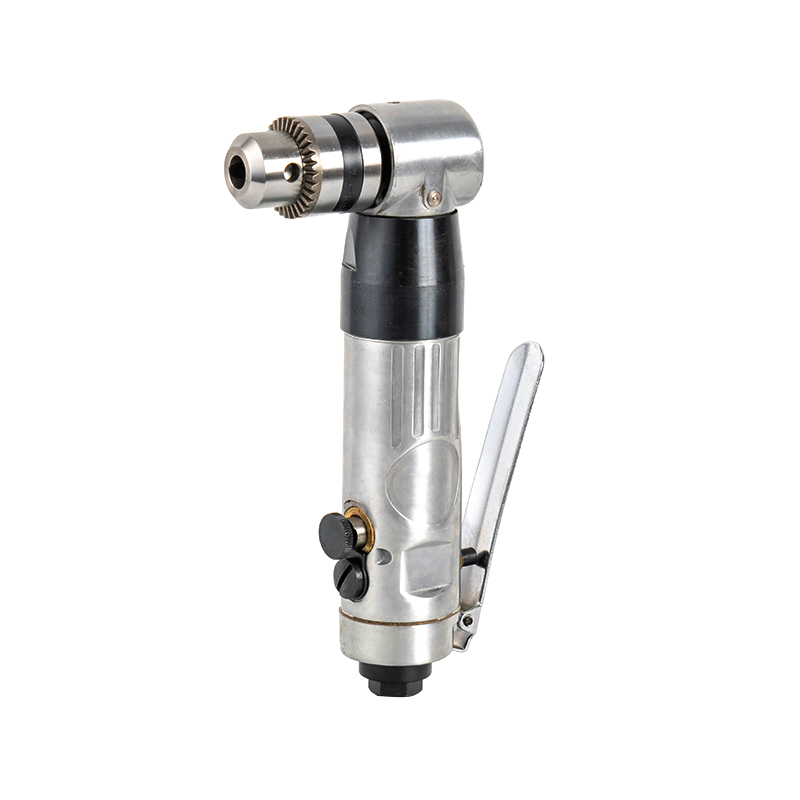 Custom RH-338 3/8 Right Angle Forward Reverse Gas Drill Suppliers, Factory - Nin Ningbo Haishu Renhao Pneumatic Co., Ltd is China custom RH-338 3/8 Right Angle Forward Reverse Gas Drill Suppliers and OEM/ODM RH-338 3/8... View Product →
 Evaluate the Reversing Valve and Throttle
Match the Air Supply
Plan for Accessories
Use Your Supplier’s Expertise
Getting the Most from Your Pneumatic Drill: Setup, Safety, and Maintenance
Air Preparation Is the Most Important Step
Correct Pressure Settings
Lubrication and Vane Replacement
Safe Operating Habits
Storing the Tool
Common Missteps and How to Avoid Them
Using an Undersized Air Hose
Ignoring Water in the Air
Running Without Lubrication
Using Drill Bits That Are Too Dull
Forgetting the Safety Torque Reaction
Buying on Price Alone
The Bottom Line: A Workhorse That Still Makes Sense
Produk yang disyorkan
-
RH-464 Pneumatic Corner Need Scaler
-
RH-460 mini padat pneumatik udara jarum scaler
-
RH-462 Portable Industrial Straight Scaler
-
RH-7034C Mesin chamfering pneumatik mudah alih
-
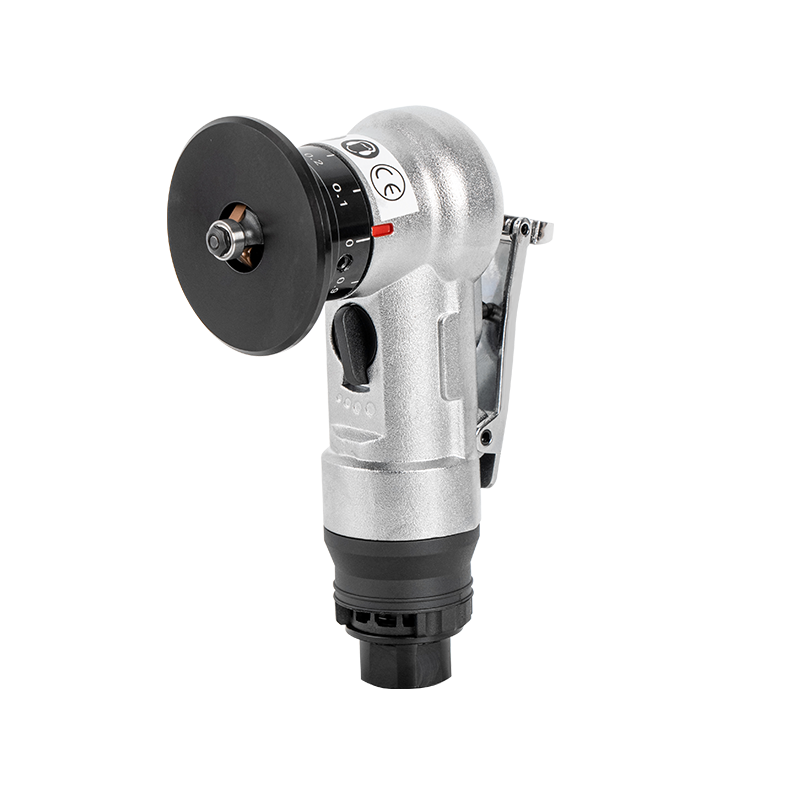
RH-7034B PNEUMATIC CENTRAL 4 "Pengisar sudut udara
-
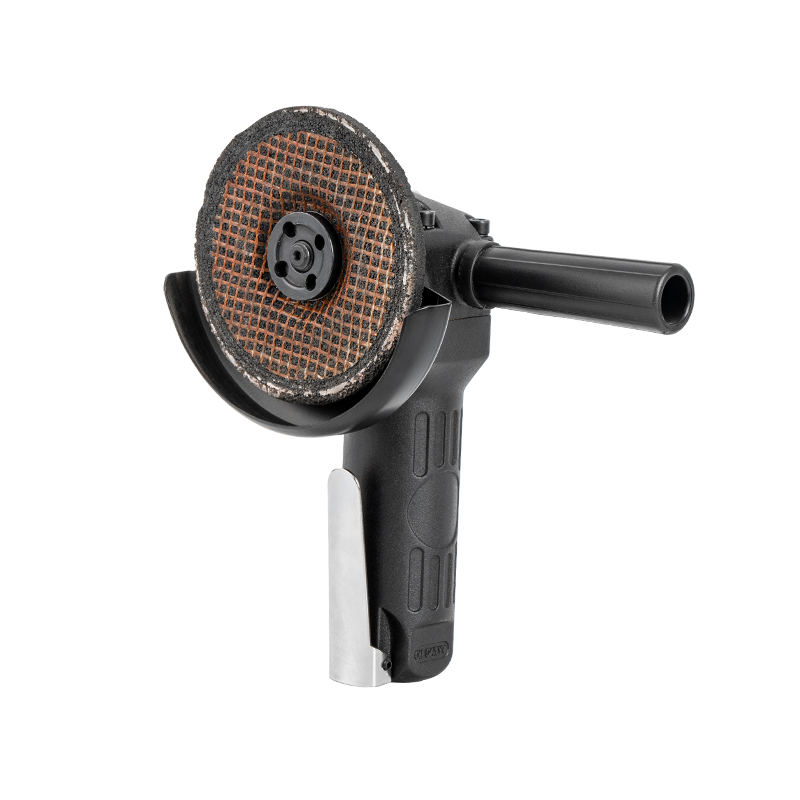
RH-7034D 7 "Pengisar sudut tangan
-
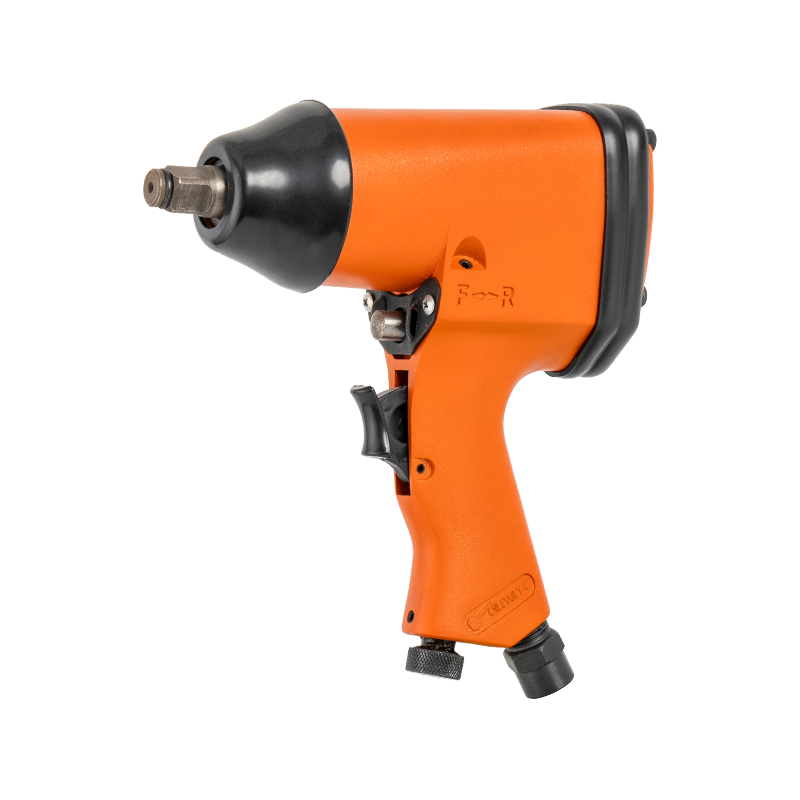
RH-160 1/2 "Memandu sepana kesan pneumatik pneumatik tunggal
-
RH-160K Tanpa Cordless Electric boleh dicas semula Kit Wrench Kit
-
RH-112 1/2 "Alat Tangan Wrench Electric Ratchet Universal
-
RH-128 1/2 "sepana ratchet elektrik tork tinggi
-
RH-138 3/8 "Long Head Portable Cordless Electric Ratchet Wrench
-
RH-148 1/4 "sepana ratchet bateri elektrik
Hubungi pakar kami
Dan dapatkan perundingan percuma!
Ningbo Haishu Renhao Pneumatic Co., Ltd.
 Alamat: Jiangbei District Ningbo City di Wilayah Zhejiang oleh Bangunan Parkl Perindustrian Keli ke -15
 telefon: +86-139 0668 0779
 Tel: +86-139 0668 0779
 Faks: +86-139 0668 0779
 E-mel: [email protected]


